Breakers That Stop Tripping Without Cause
Circuit Breaker Repair and Replacement in Waterville for panels that no longer hold a reset or trip under normal load
A breaker that trips when you run the microwave and toaster simultaneously points to an overload, but one that trips randomly or refuses to reset indicates the breaker itself has failed. Merryfield Electric repairs and replaces circuit breakers that no longer protect electrical systems reliably, addressing both the failed component and the underlying cause before completing the work. Homes in Waterville often experience breaker wear from decades of temperature cycling in attics and basements, which degrades the internal mechanism over time.
Circuit breakers protect wiring from overheating by interrupting current flow when demand exceeds the rated capacity or when a short circuit occurs. When a breaker trips frequently despite normal usage, fails to stay in the reset position, or feels hot to the touch, the internal contacts or trip mechanism have likely worn out and no longer function as designed.
Schedule a panel evaluation to identify whether breaker replacement or circuit load redistribution resolves the issue.
What Proper Breaker Service Requires
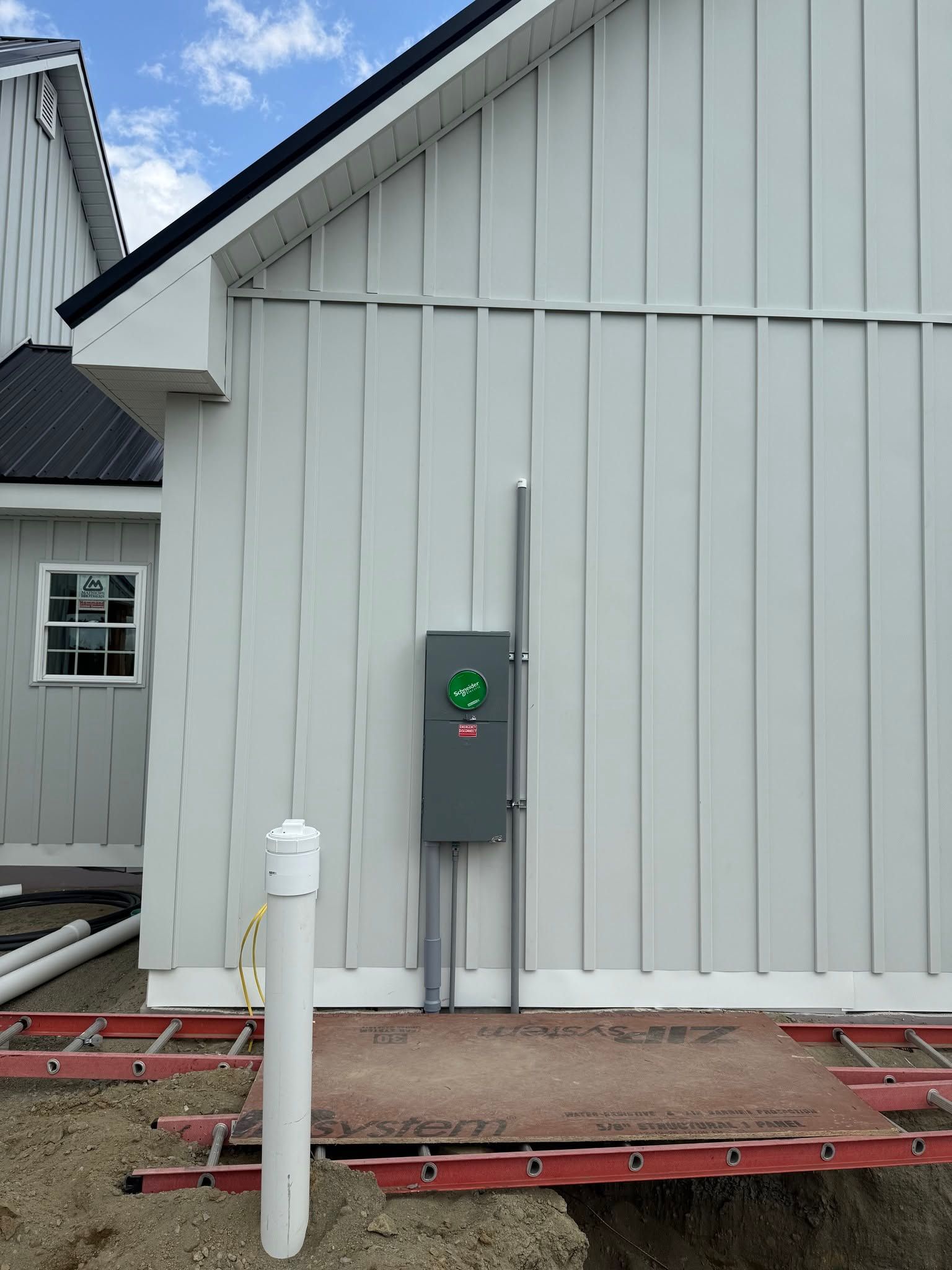
Replacing a circuit breaker involves shutting down power to the panel, removing the failed breaker from the bus bar, and installing a replacement that matches the original amperage rating and panel compatibility. Some panels require breakers from the same manufacturer due to bus bar design, while others accept listed equivalents that meet spacing and connection standards.
After replacement, circuits respond correctly to overload conditions, the breaker resets firmly without resistance, and the panel interior no longer shows signs of arcing or heat discoloration around the breaker connection. Merryfield Electric verifies that replacement breakers seat fully onto the bus bar and that terminal screws hold conductors without strand damage or looseness.
Frequent tripping often stems from undersized circuits serving added loads, corroded connections creating resistance, or actual faults within connected devices. Diagnosing the root cause prevents replacing a breaker only to have the new one fail under the same conditions.
What Property Owners Usually Ask
Homeowners preparing for breaker service often ask about compatibility, safety, and what to expect during the work.
What causes a breaker to fail even when circuits aren't overloaded?
Internal contacts wear from repeated heating and cooling cycles, mechanical fatigue from years of operation, or exposure to moisture in damp panel locations. In Waterville's climate, basement panels in older homes often experience condensation that accelerates contact corrosion.
How do you determine whether a circuit needs a larger breaker or fewer connected devices?
Load calculation involves adding up the wattage of all devices on the circuit and comparing that total to the breaker's capacity, but simply installing a larger breaker without verifying wire gauge creates a fire hazard. Proper correction either redistributes loads across multiple circuits or upgrades both the breaker and the wire.
What happens during breaker replacement?
Power to the panel is shut off at the main disconnect, the panel cover is removed, and the faulty breaker is unclipped from the bus bar after disconnecting its circuit wire. The replacement breaker is seated onto the bus bar, the wire is reconnected to the terminal, and torque specifications are verified before restoring power.
Why do some breakers trip immediately after resetting?
Immediate tripping usually indicates a short circuit in the connected wiring or a device plugged into that circuit, rather than a failed breaker. Testing involves isolating the circuit by unplugging devices and checking for damaged wiring before concluding the breaker itself is the problem.
What should I look for when a breaker trips?
Note whether the trip occurs during specific activities, at certain times of day, or randomly. Patterns help identify whether the issue is an actual overload, a failing appliance, or a deteriorating breaker.
Merryfield Electric diagnoses breaker failures by testing under load, inspecting panel bus bar connections, and verifying that circuits operate within rated capacity. Request breaker service to restore reliable protection before repeated tripping leads to damaged wiring or panel bus bar deterioration.