Supporting Modern Electrical Loads Safely
Electrical Panel Installation in Waterville for new construction, renovations, and capacity upgrades
Homes with insufficient electrical capacity show signs like dimming lights when appliances start, breakers that trip under normal use, or the inability to add circuits for new equipment. Merryfield Electric installs electrical panels sized to match actual household demand, accounting for existing loads plus reasonable future expansion. Panel installations in Waterville often involve upgrading from 100-amp to 200-amp service to accommodate heat pumps, electric vehicle chargers, and other high-draw devices that older panels cannot support.
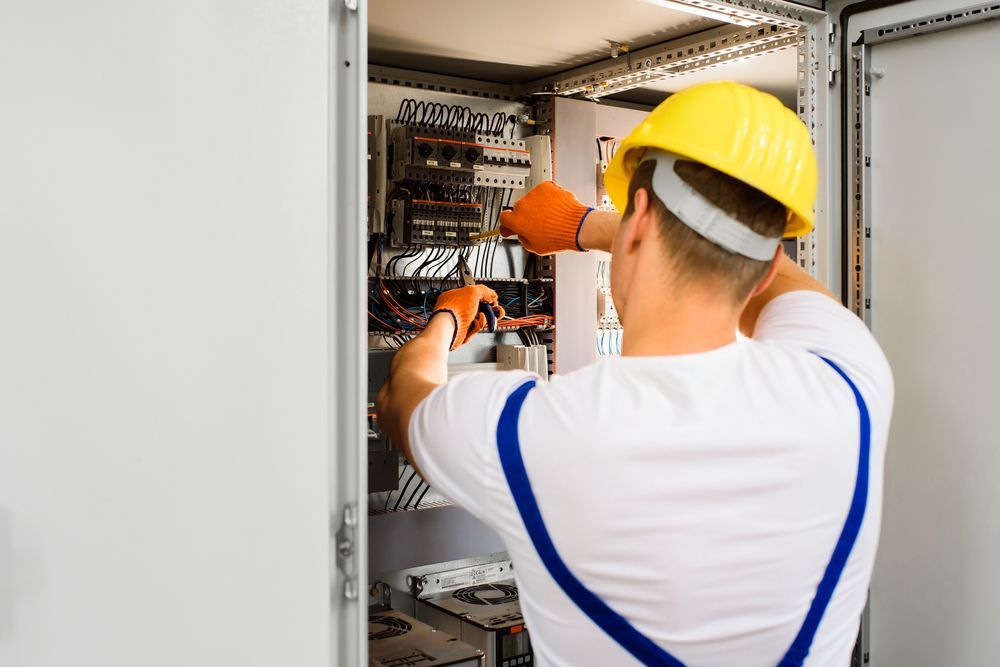
Panel installation involves evaluating total connected load, determining appropriate amperage rating, installing the panel enclosure and main breaker assembly, then connecting individual circuits according to balanced distribution across both bus bars. Each circuit receives proper overcurrent protection matched to wire gauge and intended use.
Request an electrical panel installation estimate to determine the right panel size for your home's current and anticipated electrical needs.
What Proper Panel Installation Requires
Electrical panel installation requires calculating total amperage demand from all connected loads, including heating systems, major appliances, lighting circuits, and dedicated equipment circuits. This calculation determines whether a 100-amp, 150-amp, or 200-amp panel provides adequate capacity with appropriate headroom for future additions.
Once installation completes, your electrical system distributes power consistently without voltage drops during startup of motors or compressors, and individual circuits operate within their rated capacity without overloading. The panel provides clear labeling for each circuit and accessible breaker positions for future modifications or troubleshooting.
Safe installation practices include bonding the panel to the grounding electrode system, maintaining proper wire bending radius at terminal connections, and ensuring adequate working clearance in front of the panel as required by current electrical standards. These details affect both safety and long-term reliability of the electrical distribution system.
Answers to Frequent Panel Installation Questions
Understanding panel capacity and installation requirements helps homeowners make informed decisions about electrical system improvements.
How do you determine what size panel a home needs?
Panel sizing involves adding up the amperage requirements of all connected loads, applying demand factors for intermittent-use equipment, then selecting a panel rating that accommodates total calculated load plus a margin for future circuit additions.
What happens to the existing panel during an upgrade?
During capacity upgrades, the existing panel is typically removed after disconnecting all branch circuits, and the new panel is mounted in the same location or a more accessible position if clearance requirements have changed since the original installation.
Why do electrical codes affect panel installation?
Electrical codes specify minimum working clearances, grounding methods, wire sizing, and overcurrent protection requirements that ensure safe operation and reduce fire risk from overloaded circuits or faulty connections.
When should homeowners in Waterville consider panel upgrades?
Homeowners adding heat pumps, installing electric vehicle chargers, or renovating kitchens often need panel upgrades because these improvements increase total electrical demand beyond what older 100-amp services can handle safely.
What documentation is provided after panel installation?
After installation, you receive documentation showing panel capacity, circuit labeling, and confirmation that the installation complies with current electrical standards and has passed inspection where required.
Merryfield Electric completes electrical panel installations throughout Waterville with attention to code compliance and system reliability. Contact us at (207) 680-6836 to discuss your electrical capacity needs and schedule an installation evaluation.